
Fresh Start, Clean Slate: Pet-Friendly Habits to Reset in 2026

It might be late January, but fresh starts are not just for humans.

Whether you are still sticking to your resolutions or forgot them by the second week, now is a great time to reset your routines for you and your pets. From parasite protection to everyday habits, a few small changes can make a big difference to their wellbeing all year long.

1. Recommit to monthly treatments

Life gets busy, but flea, tick and worm protection is one of the simplest ways to support your pet’s health. Mark the date in your calendar, set a reminder on your phone, or let your VetBox delivery do the remembering for you.

Skipping treatments in the cooler months can still cause problems. Fleas thrive in centrally heated homes, and ticks do not disappear completely during a mild winter.

New year, no infestations. Let’s keep it that way.

2. Refresh their routine

January often feels like a slump, and pets feel it too. Walks, playtime and feeding schedules can all drift after the festive period. This is a good moment to bring things back to a steady rhythm.

For dogs, aim for a mix of walks and mental enrichment such as training games, scent work or puzzle feeders.

For cats, rotate toys to keep things interesting and add indoor spaces they can climb or perch on, like shelves, window hammocks or cat trees.

3. Reassess their space

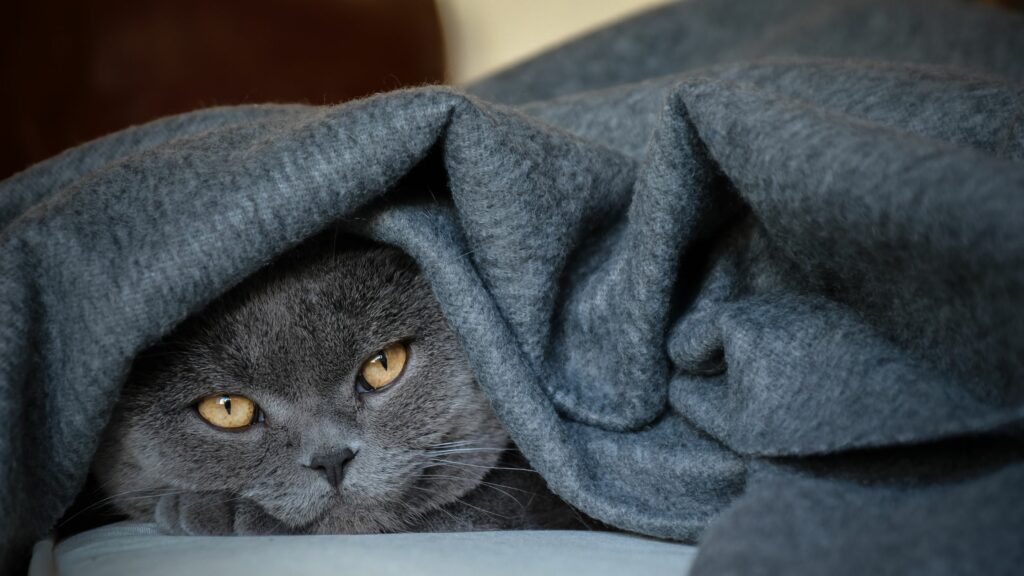
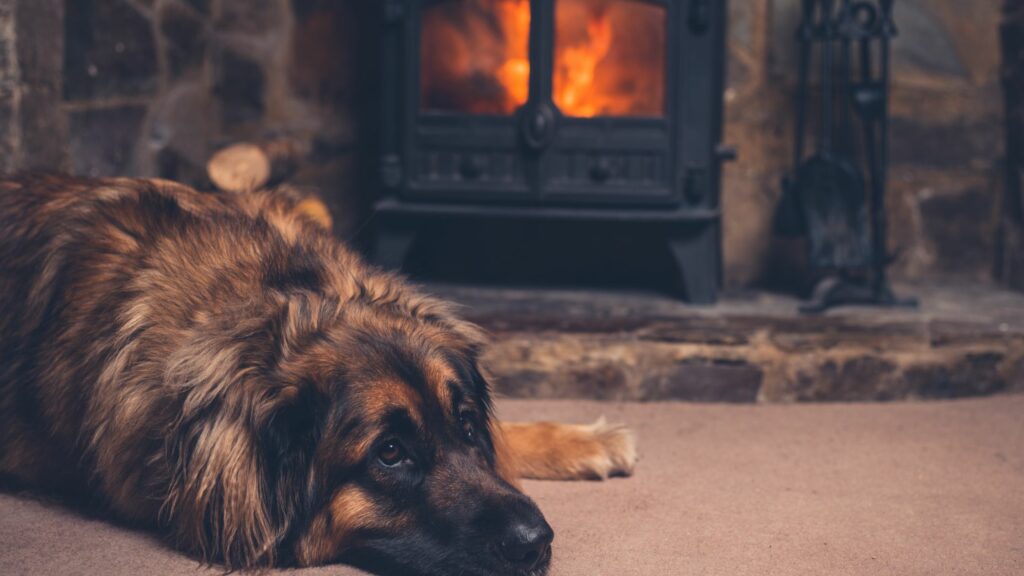
Is their bed still warm and draught-free? Is their crate tucked away somewhere quiet? Small changes can improve comfort, especially during colder months. Extra blankets, raised bowls or moving beds away from doors can all help.

It is also a good time to wash bedding, clean crates and give food bowls a proper scrub, which supports hygiene and helps reduce flea risk.

4. Review their diet

You might be resetting your own eating habits, but do not forget to check your pet’s too. Less exercise, winter weather and extra treats can all lead to gradual weight gain.

Make sure portion sizes suit their age, breed and activity level. If treats are part of training, consider reducing meal sizes slightly to balance things out.

5. Rebuild healthy habits

A few practical checks now can save stress later in the year:

  • Book annual health checks or vaccinations
  • Make sure microchip details are up to date
  • Clean toys and grooming tools
  • Check you have a steady supply of parasite treatments

A simple reset goes a long way

You do not need a full overhaul. A few small changes now can help keep your pet comfortable, healthy and protected as 2026 gets underway.

And if some of your resolutions have already slipped, do not worry. Your pet has absolutely no idea what day it is.

VetBox Wrapped 2025: A Year in Stats 🐾

We crunched the data. Your pets stole the show.

You’ve been busy scooping litter, cleaning pawprints off the sofa and hiding the Christmas biscuits. Behind the scenes, VetBox has been quietly tracking your pet’s parasite protection and pulling together some top-tier stats along the way.

From popular names to breed trends and pet-packed cities, here’s what made 2025 pawsitively unforgettable.

🐶 Most Popular Dog Names

Let’s be honest – the dog park has been 80% Lunas and Buddy’s for a while now.

  1. Luna – 237
  2. Bella – 226
  3. Milo – 210
  4. Teddy – 193
  5. Buddy – 167

You might just see the name Luna as the most popular name in another category too.

🐱 Most Popular Cat Names

Sweet, sassy and slightly suspicious – the top cat names came with vibes this year.

  1. Luna – 60 (Deja-vu?)
  2. Milo – 47
  3. Oreo – 26
  4. Gizmo – 22
  5. Nala – 22

Luna once again claims the crown (clearly a fan of moonlight naps). Oreo and Gizmo are giving mischief, while Nala brings the royal energy we expect from felines.

🐕 Most Popular Dog Breeds

We know VetBox pups come in all shapes and sizes, but these five breeds were top dogs.

  1. Labrador Retriever – 1,167
  2. English Cocker Spaniel – 849
  3. Cockapoo – 817
  4. French Bulldog – 701
  5. Dachshund – 602

Labs remain the nation’s sweetheart – equal parts loyal, energetic and likely to eat your socks.

🐈 Most Popular Cat Breeds

All cats think they’re one-of-a-kind, but turns out some breeds were extra common in 2025.

  1. Domestic Short Hair – 646
  2. British Shorthair – 576
  3. Moggy – 398
  4. Mixed Domestic Short Hair – 295
  5. Mixed British Shorthair – 221

Whether posh, patchy or pure mystery, these top five ruled the roost.

📍 Most Pet-Packed Cities

Turns out the UK’s real population is four-legged.

Top Dog Cities:

  1. London – 655
  2. Manchester – 330
  3. Glasgow – 315
  4. Liverpool – 248
  5. Bristol – 240

Top Cat Cities:

  1. London – 238
  2. Manchester – 130
  3. Birmingham – 107
  4. Bristol – 95
  5. Nottingham – 90

From London’s to Bristol, our subscribers proved one thing: the UK loves its pets (and apparently, really loves naming them Luna).

🎁 And That’s a Wrap

From all of us at VetBox — thanks for letting us be part of your 2025.

We’ll be back next year with more protection, more treats, and probably more Lunas. Until then, give your pets a belly scratch from us.

Preparing Pets for the Season Ahead

November often feels like the calm before the Christmas madness, shorter days, colder walks and that slow ramp-up to the busiest time of year. For your pets, it can mean big shifts in routine, comfort and health. Now’s a good time to get ahead! 

Stick to what they know
Even with darker mornings and the clocks changing, pets love a routine. Keep walking, feeding and play times as consistent as possible, even if it means getting the torch out for evening strolls. Routine helps them feel secure and settled.

Keep them moving
It’s tempting to hibernate when it’s gloomy, but pets still need regular movement and mental stimulation. Try indoor enrichment like puzzle feeders, scent games or short bursts of training. For cats, rotate their toys to keep things interesting and, if they’re spending more time inside, add some vertical spaces like shelves, window hammocks or cat trees so they can climb, perch and explore safely indoors.

Ease into the social season
If your pet isn’t a fan of noisy guests, decorations or disruption, now’s a good time to gently start introducing the sights and sounds of what’s to come. A quiet corner or covered crate gives them a calm space to retreat if things get busy.

Watch for sniffles
Cold weather can bring an uptick in sneezes, dry skin and general grouchiness. While a little grumbling is normal, anything more persistent could be worth a vet check.

Keep Christmas Treats Pet-Safe

As seasonal snacks start appearing in the kitchen, it’s a good time to remember which ones are off limits for pets. Some classic Christmas foods can be harmful, even in small amounts. Keep these out of reach:

Foods to avoid:

  • Chocolate – especially dark chocolate, which contains theobromine and is toxic to cats and dogs
  • Onions, garlic, leeks, shallots and chives – often hidden in gravy, stuffing and leftovers, these can damage red blood cells
  • Alcohol – even tiny amounts can be dangerous
  • Grapes, raisins, sultanas and currants – including mince pies and Christmas pudding, which can lead to kidney failure
  • Cooked bones – they can splinter and cause choking or serious internal injuries
  • Rich or fatty food – like roast trimmings, skin, pigs in blankets or cheese boards, which can upset stomachs or trigger pancreatitis

Stick to their usual meals and treats, or choose pet-safe Christmas goodies made specially for them. That way they still feel included without the risk.Don’t skip the flea and tick treatment
Fleas and ticks don’t disappear in winter. They just move indoors, where central heating makes life cosy for them too. Sticking to your pet’s monthly treatment is still one of the simplest ways to stop an infestation before it starts

Sniffle season: Can pets catch colds?

The windows are closing, the heating’s creeping back on and the humans are coughing into their sleeves. Cold season is definitely here, but what about our pets? Can cats and dogs catch colds too? And if they’re sneezing or sniffling, should you be worried?

The short answer: yes, pets can come down with cold-like illnesses, but they’re very different from the ones humans get. Dogs and cats have their own types of viruses that affect their upper respiratory systems. In dogs, one of the most common is known as canine infectious respiratory disease complex (CIRDC), which includes things like kennel cough. In cats, it’s often referred to as “cat flu”, and is usually caused by feline herpesvirus or calicivirus.

The good news is these viruses generally don’t spread between pets and humans. Your cold won’t make your dog sick, and your cat can’t give you the sniffles either. But just like us, they can feel pretty under the weather while they’re fighting it off.

Symptoms can include sneezing, watery eyes, coughing, nasal discharge, tiredness and a lower appetite. Mild cases will often pass with rest, hydration and a bit of TLC, but if your pet seems unusually quiet, has trouble breathing, stops eating or the symptoms stick around for more than a few days, it’s best to check in with your vet.

Vaccinations can help reduce the risk and severity of these illnesses, especially for pets who spend time around others at the groomer, the park, catteries, kennels or daycare. It’s also worth noting that cooler, damper weather can affect pets with pre-existing conditions, like flat-faced breeds or cats with asthma, so this is a good time of year to be extra observant.

So, can pets catch colds? Sort of. Their version of it. The best defence is regular check-ups, staying on top of parasite protection and keeping an eye on any changes in behaviour. They’ll be back to full zoomies (or dramatic staring) before you know it.

Cosy Season Incoming: Helping Your Pet Adjust to Autumn Life

Summer’s been a whirlwind of sunshine (sort of), outdoor adventures, and maybe a few staycations. But as the evenings start to draw in and routines shift again, it’s not just humans who notice, our pets do too. Here’s how to help them adjust smoothly to the change in season.

Pets, especially the more routine-loving ones, can be a little thrown when the daily rhythm changes. Whether it’s shorter walks, fewer windows left open, or suddenly having the house to themselves again during the day, some pets may get clingy, anxious, or just a bit off their game. Keep things predictable where you can: stick to regular feeding and walk/play times, offer comfort items like their bed, blanket or toys, and keep goodbyes low-key when leaving the house.

With colder, wetter days creeping in, pets may be indoors more than they’d like, and that can mean pent-up energy or attention-seeking behaviour. Try puzzle feeders or snuffle mats for mealtimes, hide-and-seek games (yes, even for cats), cardboard boxes, tunnels or window perches for extra stimulation, or chews and lick mats to help dogs unwind.

If your pet spent summer surrounded by people, outdoors, or travelling, the sudden calm might feel a bit too quiet. Keep them mentally stimulated with new toys or learning simple tricks at home. And if they seem particularly unsettled, don’t hesitate to check in with your vet.

Fleas, ticks and worms don’t take the season off, in fact, autumn can bring new risks as wildlife moves around and damp conditions set in. Keeping your pet protected year-round is still the move. Luckily, VetBox has that covered.

A little routine, a little enrichment, and a lot of blankets go a long way. Because a happy pet = a peaceful autumn. Even if it’s raining. Again.

Why Is My Pet So Itchy Right Now?

What’s normal, what’s not, and what you can do about it.

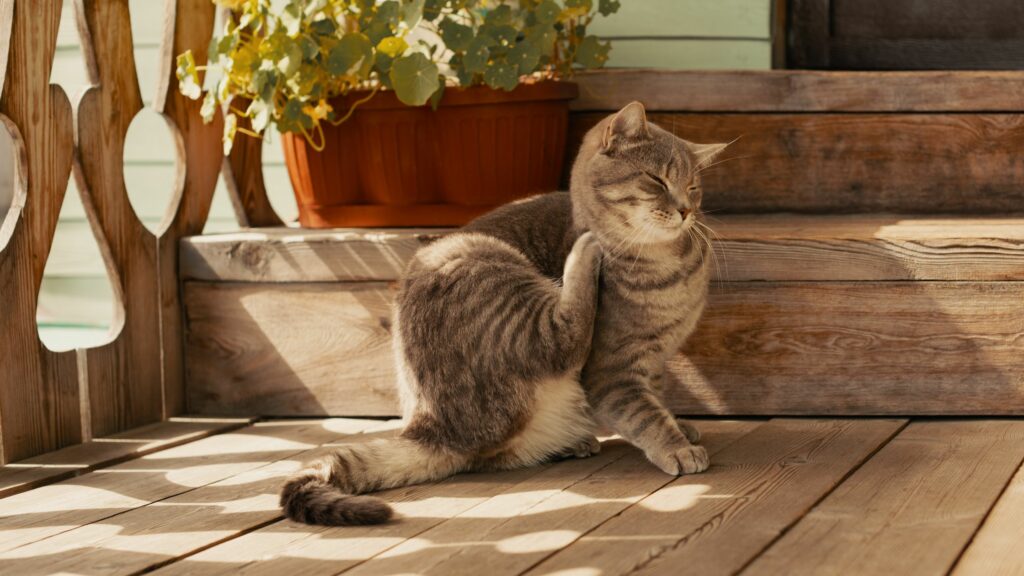
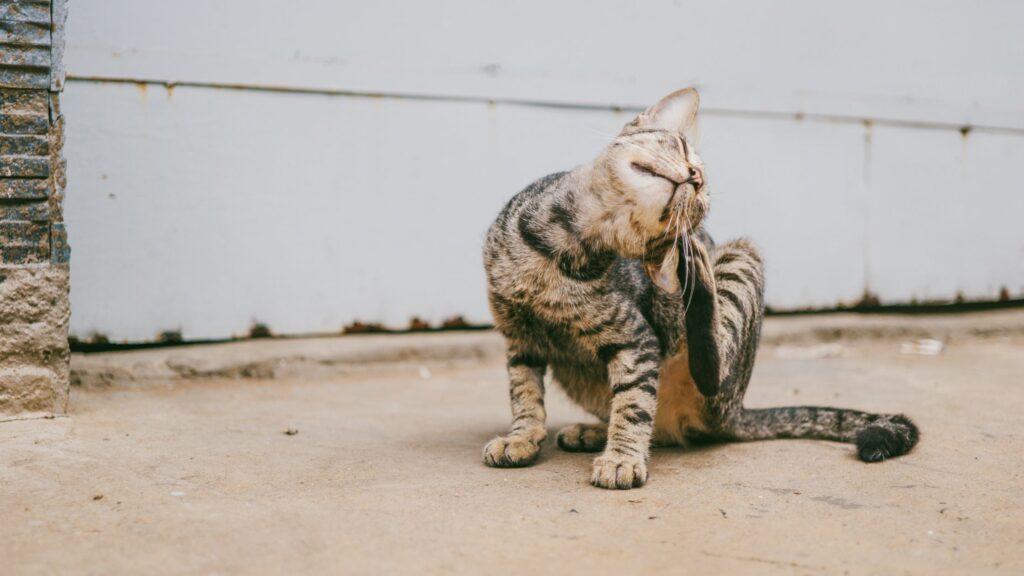
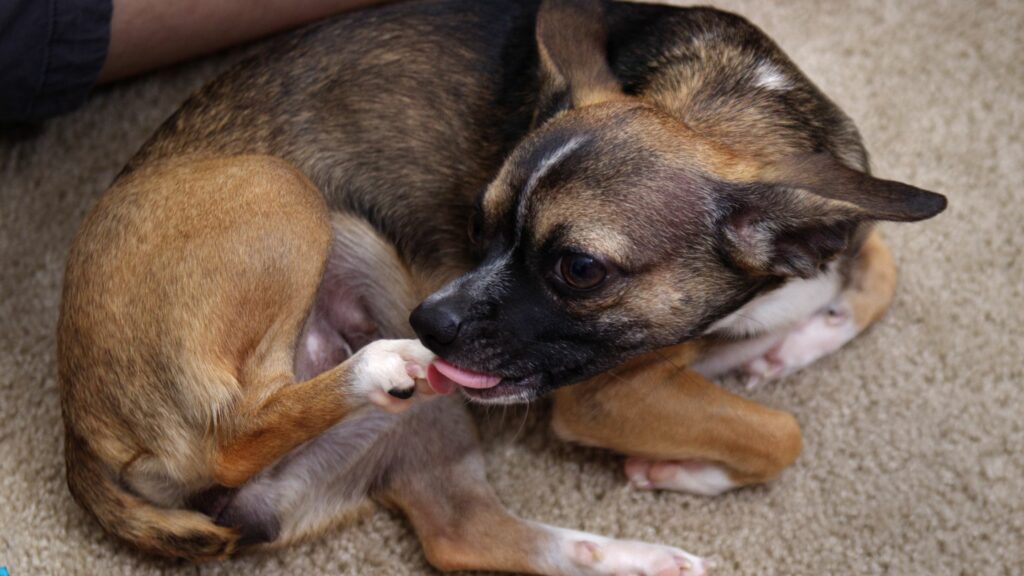
Scratching at 3am like it’s their full-time job. If your pet has turned into a full-time itcher lately, you’re not alone.

As the weather warms up, all sorts of things can cause itchiness in both dogs and cats, some normal, some worth keeping an eye on. Here’s what might be going on, and what you can do to help.

Common reasons for summer scratching

☀️ Warm weather woes
Hotter weather means more panting, more lounging, and sometimes more irritation. For dogs, warm spots under collars and in skin folds can get itchy. For cats, dry indoor air or extra grooming can irritate their skin.

🌿 Grass, pollen, and plants
Environmental allergies can cause itching, especially in paws, bellies and ears (for dogs), or around the face and neck (for cats). If your pet gets itchy after time outside or near windows, it could be a seasonal sensitivity.

🪲 Fleas: the usual suspects
Even pets on treatment can get the odd flea bite, and if they’re allergic, it only takes one to trigger a scratching session. Fleas thrive in warm weather, and summer is their time to shine (unfortunately).

🍽️ Food or treat changes
Less common, but sometimes a new food or treat doesn’t sit right with their system, and it shows in their skin. If the itching started after a recent diet switch, it’s worth noting.

When should you be concerned?

Some scratching is totally normal, pets explore the world with their faces and paws, after all. But if you notice:

  • Constant itching, chewing or licking
  • Red or sore patches
  • Hair loss or bald spots
  • Head shaking or ear scratching
  • Skin that smells “off”

…it’s time to speak to your vet.

What you can do at home

✔ Keep up with parasite protection
Prevention is always easier than treatment, and summer is peak flea season. VetBox makes it easy with monthly deliveries of the right treatment for your pet.

✔ Quick rinses after outdoor time
For dogs, a rinse of paws and bellies after walks can help remove pollen or irritants. For cats, brushing and wiping down with a damp cloth can do the trick (if they’ll let you).

✔ Don’t over-bathe
Too many baths can dry out skin, especially in dogs. Stick to pet-friendly shampoo and don’t overdo it.

✔ Clean environment = happy skin
Wash bedding regularly and hoover soft furnishings. Even indoor cats can pick up fleas or dust mites from a passing breeze or visitor.

The takeaway?

A little itch here and there is normal, especially in the summer. But if your pet seems extra bothered, it’s worth checking in, and keeping their parasite protection on track.

Because no one wants “relentlessly itchy” to be the summer vibe.

Travelling with Pets: Your UK Staycation Survival Guide

Heading off on a UK break? Whether it’s the coast, countryside or just a few nights visiting family, your pet might be coming along for the ride. With a bit of prep, travelling with them can be brilliant, and far less stressful than you’d think.

Should they come along?

Not every pet is a natural adventurer. Some dogs love hopping in the car and exploring somewhere new. Some cats… do not. If your pet gets anxious or thrives on routine, they might be happier staying at home with a sitter. But if they’re up for it, a bit of planning can help them enjoy the trip too.

What to pack

Stick to the familiar. Bring their usual food and bowls, a favourite toy or chew, and something that smells like home, a blanket or bed works wonders. You’ll also need the practical stuff like leads or a secure carrier, litter tray or poo bags, and any medication or VetBox treatments that are due.

It’s also worth packing a towel or some wipes, just in case, plus knowing where the nearest vet is, not because you’ll need it, but for peace of mind.

Car travel tips

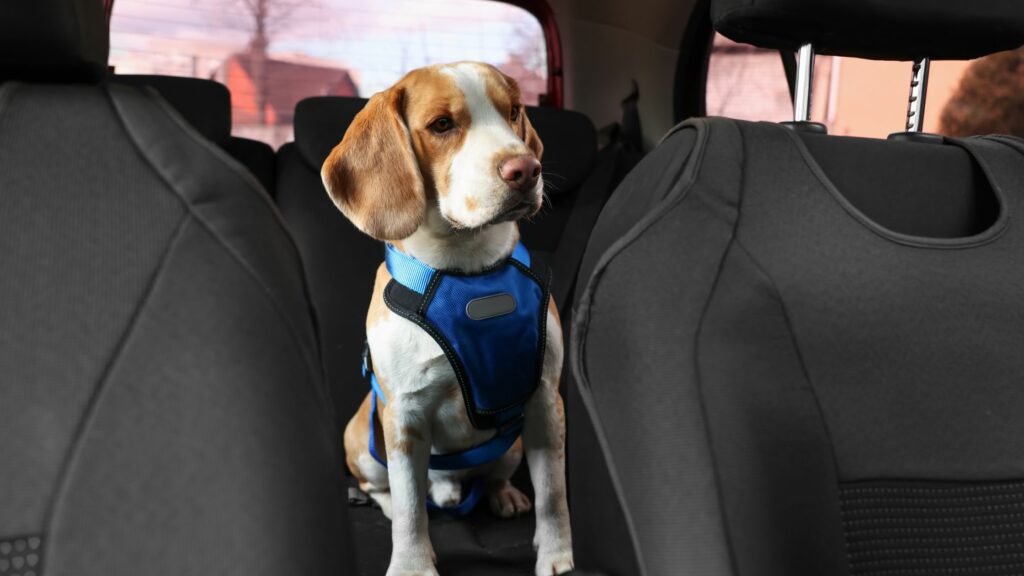
Whether it’s a half-hour drive or a proper road trip, safety comes first. Dogs should be secured with a harness or crate, and cats must be in a proper carrier. Keep the car well-ventilated and plan regular stops for dogs to stretch and drink.

And this one’s important, never leave pets in a parked car, even if it’s just for a few minutes. It can heat up much faster than you think.

Settling in when you get there

Check ahead that your accommodation is properly pet-friendly. Some places have restrictions or only allow pets in certain areas. When you arrive, give your pet time to explore and settle. Stick to their routine as much as possible, especially with feeding and walk times.

If you’re heading out and about, make sure your pet’s microchip details are up to date, and they’re wearing a tag with your mobile number.

Taking your cat away?

Some cats are surprisingly adaptable. Others will make their feelings very clear. If your cat is coming with you, keep them indoors at your destination and set up a quiet, familiar space just for them, somewhere they can eat, nap and hide if needed.

If they’d rather stay home with a sitter, that’s perfectly valid too. They’ll be waiting at the window with a dramatic yawn when you return.

A quick word on protection

New places can bring new pests. Before you go, make sure your pet is up to date on flea, tick and worm protection, especially if you’re heading somewhere rural or coastal.

Quick check before you go

  • Is your pet comfortable travelling?
  • Have you packed the essentials?
  • Do you know where the nearest vet is?
  • Are they protected?
  • Did you remember the snacks?

Looking for inspiration for your next staycation? Check out DogFriendly for tried and tested recommendations for where to stay, eat and visit! 

Wherever you’re heading, safe travels!

Too Hot to Handle? Keeping Your Pets Safe in the Summer Heat

Warm weather might seem like the perfect excuse for long walks and garden play, but when the temperature rises it can be risky for our pets, especially dogs and cats who can’t cool down like we do. Here’s how to help them stay safe, happy and healthy in the heat.

Why heat is harder on pets

Unlike humans, dogs and cats don’t sweat to regulate their body temperature. Dogs mainly rely on panting while cats prefer to stay still in cool spots. That means hot weather can quickly become dangerous, especially for flat-faced pets like pugs, bulldogs and Persians, as well as older animals, young kittens or puppies, overweight pets and thick-coated breeds. Even mild temperatures can cause issues for them.

What temperature is safe for walkies

As a general rule, under 19°C is fine for most dogs. Between 20 and 23°C you’ll want to take extra care, especially with more vulnerable breeds. Anything 24°C and above is best avoided. For cats, limit outdoor time during the hottest part of the day and make sure there is always a cool shaded space available.

Pavement check: the five-second rule

If you can’t comfortably hold the back of your hand on the pavement for five seconds, it’s too hot for your dog’s paws. Burnt pads are painful and may need vet treatment.

When should you walk your dog?

Stick to early mornings or late evenings when the sun is lower and the ground is cooler. Midday walks can quickly lead to overheating and are best avoided completely.

Too warm to walk? Try these instead

If it’s too hot to head out, you can still keep your pet active and entertained:

  • Puzzle feeders or lick mats to keep their mind busy
  • Shady sniff sessions in the garden
  • Frozen treats made with water or broth
  • Cooling mats or shallow paddling if your pet enjoys water

Mental stimulation can be just as effective as physical exercise.

Fleas and ticks love summer too

Warm weather is ideal for parasites like fleas and ticks. They’re more active and often picked up after time outside, especially in grassy or wooded areas. Keeping your pet protected with regular treatment is essential throughout summer. VetBox makes it easy by delivering it straight to your door each month so you never miss a dose.

Heatstroke: what to watch for

Act fast if you notice any of these signs:

  • Excessive panting or drooling
  • Bright red gums or tongue
  • Vomiting, lethargy or wobbliness
  • Collapse

Heatstroke is an emergency, so contact your vet immediately.

Quick recap

Keep walks to cooler times of day, avoid hot pavements, offer plenty of shade and water, and stay on top of parasite protection. With a bit of planning, your pets can enjoy the summer safely and comfortably.

Springtime Sniffs and Squirrel Watch, The Spring Invasion Begins

Spring is in full swing, and if your pet’s nose has been glued to the grass, the window, or your gardening shoes, you’re not alone. Warmer weather brings a whole world of new sights, smells, and sneaky little things for them to investigate. Whether you’re living with a curious cat or a joyful jumper of a dog, there’s a lot going on this season (and not all of it visible to the human eye).

What are they sniffing for?
Spring awakens nature, and with it, all the fascinating scents that come with freshly turned soil, blooming flowers, wildlife, and, yes, the odd biscuit crumb someone might have dropped outside. Pets are naturally drawn to all these new smells, whether it’s through the garden, under the hedge, or from a comfy perch in the window.

The return of the wildlife channel
With the sun making more regular appearances, the world beyond the window is suddenly full of movement again. Birds, bees, squirrels, and other creatures are back to entertain, confuse, or provoke a bit of barking (or chirping back). This is prime squirrel-chasing and pigeon-watching season.

Rolling, rubbing, and everything in between
Ever wonder why your pet suddenly drops to roll around on the lawn, or your doormat? Part of it is play, part of it’s scent marking, and part of it is just  because they can. Spring encourages lots of this behaviour, so don’t be surprised if your pet comes in looking slightly more “nature-coloured” than before.

What to keep in mind
With all this new exploration, it’s a good time for a little pet-parent prep:

  • Flea and tick protection: With the warm weather, fleas and ticks become more active. Make sure your pet is up to date.
  • Watch those paws: After winter, gardens and parks may be full of sharp sticks, prickly plants, or mulch that’s not pet-friendly.
  • Spring cleaning caution: Keep pets away from cleaning products, freshly planted areas, or fertilisers – they’re curious, but not always cautious.

So what’s the plan?
Let your pet enjoy the season! Whether that’s through more walks, open window sunbathing, or supervised garden time, spring brings enrichment, entertainment, and a whole lot of good vibes. Just keep a little extra eye on them – and maybe a towel by the door.

Pet Myths Debunked: Separating Fact from Fiction About Your Cats and Dogs

We’ve all heard them – those age-old sayings and beliefs about our furry friends that get passed down through generations. But how many of these popular pet myths are actually true? Let’s set the record straight on some of the most common misconceptions about cats and dogs.

Myth #1: “A Dog’s Mouth is Cleaner Than a Human’s”

Despite what you might have heard, this isn’t true! Dogs’ mouths contain their own unique set of bacteria, different from humans but certainly not cleaner. They explore the world with their mouths and lick various things throughout the day, so it’s important to maintain good dental hygiene for your canine companion.

Myth #2: “Cats Always Land on Their Feet”

While cats do have an impressive righting reflex that helps them orient themselves during a fall, they don’t always land on their feet. Cats can and do get injured from falls, which is why it’s crucial to secure windows and high spaces in your home to prevent accidents.

Myth #3: “You Can’t Teach an Old Dog New Tricks”

Age is just a number! Older dogs are absolutely capable of learning new commands and behaviors. In fact, their maturity and attention span can sometimes make them even better students than puppies. It’s never too late to start training your four-legged friend.

Myth #4: “Cats Purr Only When They’re Happy”

While purring often indicates contentment, cats also purr when they’re stressed, in pain, or even while giving birth. It’s believed that purring can be self-soothing and might even have healing properties due to its specific frequency.

Myth #5: “Dogs See in Black and White”

Dogs actually can see colors, just not as vividly as humans do. They see primarily in blues and yellows, with difficulty distinguishing between red and green. Their vision is optimized for detecting movement and seeing well in dim light.

Myth #6: “Indoor Cats Don’t Need Vaccinations”

Even if your cat never ventures outdoors, they still need proper vaccinations. Viruses can be carried indoors on shoes, clothing, or other pets, making protection essential for all cats regardless of their lifestyle.

Myth #7: “A Wagging Tail Always Means a Happy Dog”

Tail wagging is simply a form of communication that can express various emotions. While it often indicates happiness, it can also signal anxiety, aggression, or nervous energy. It’s important to read your dog’s overall body language, not just their tail.

Myth #8: “Milk is Good for Cats”

Surprisingly, most adult cats are actually lactose intolerant! While they might love the taste of milk, it can cause digestive issues. Water is the best drink for your feline friend.

Myth #9: “Dogs Feel Guilty When They’ve Done Something Wrong”

That guilty look isn’t what you think! Dogs react to their owners’ disappointed or angry tone and body language rather than feeling actual guilt about their actions. The “guilty look” is more likely a submissive response to your reaction.

Myth #10: “Cats Are Completely Independent and Don’t Need Much Attention”

While cats might be more independent than dogs, they still need regular interaction, playtime, and affection. Many cats develop behavioral issues when left alone for too long without proper attention and enrichment.


Understanding the truth behind these common myths helps us become better pet parents and provide the best care for our furry family members. Remember, when in doubt about any aspect of pet care, it’s always best to consult with your veterinarian for professional advice.

Have you heard any other pet myths that need debunking? Share them with us in the comments below!