If your pet has suddenly started eating more grass lately, you are definitely not alone. Spring and early summer are when many owners notice the behaviour more often, especially in dogs. But why do they do it, and when should you actually worry?
Here is what could be behind the sudden salad obsession.
Sometimes, pets just like it
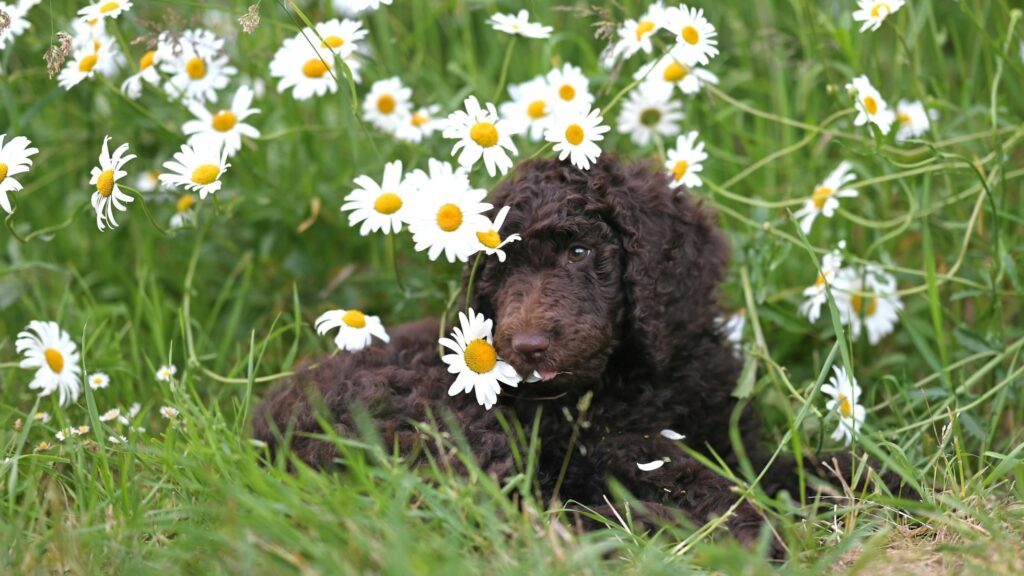
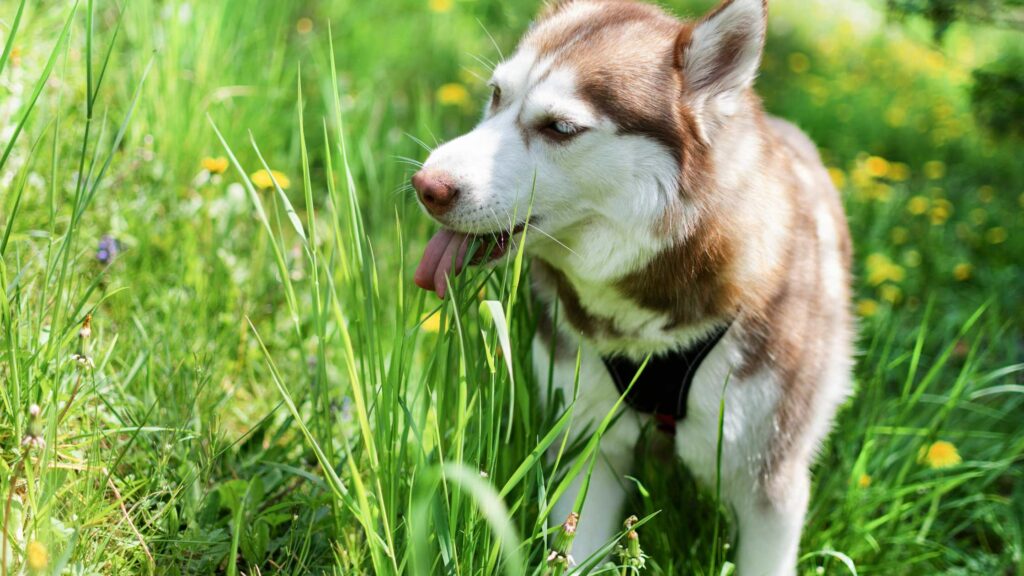
The simplest explanation is often the correct one. Many dogs genuinely enjoy chewing grass. The texture, smell and taste can all be interesting to them, especially after spending more time outdoors in spring.
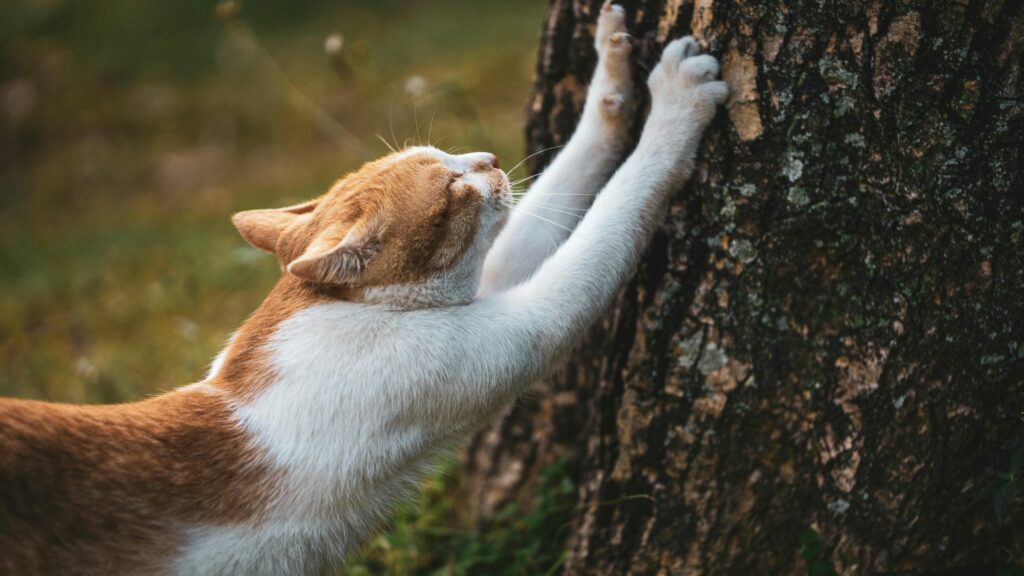
Cats may also nibble grass or plants out of curiosity, boredom or instinct.
It can help with digestion
Some pets eat grass when they have mild stomach discomfort. Grass may help stimulate digestion or encourage vomiting if something feels off.
Occasional grass eating followed by normal behaviour is usually nothing to panic about. But if it becomes frequent, excessive or paired with vomiting, diarrhoea or lethargy, it is worth checking with your vet.
Spring means more outdoor time
As the weather improves, pets naturally spend more time outside exploring gardens, parks and fields. More outdoor access simply means more opportunities to chew grass, dig in flower beds and investigate absolutely everything.
This is also why spring is an important time to stay on top of parasite protection. More outdoor activity increases exposure to fleas, ticks and worms.
Watch out for treated grass
Not all grass is pet-safe. Lawns treated with fertilisers, weed killers or pesticides can be harmful if ingested.
Try to stop pets grazing on recently treated grass and always follow product guidance carefully if using garden treatments at home.
Cats and houseplants
Cats that chew grass may also turn their attention to houseplants. Unfortunately, some common indoor plants can be toxic to pets.
If your cat suddenly becomes very interested in chewing greenery, it is worth checking that your plants are safe and moving any risky ones out of reach.
When to pay closer attention
Grass eating is usually harmless, but there are a few signs that suggest it might be linked to something more serious:
- Frequent vomiting
- Sudden increase in appetite or thirst
- Diarrhoea
- Lethargy
- Weight loss
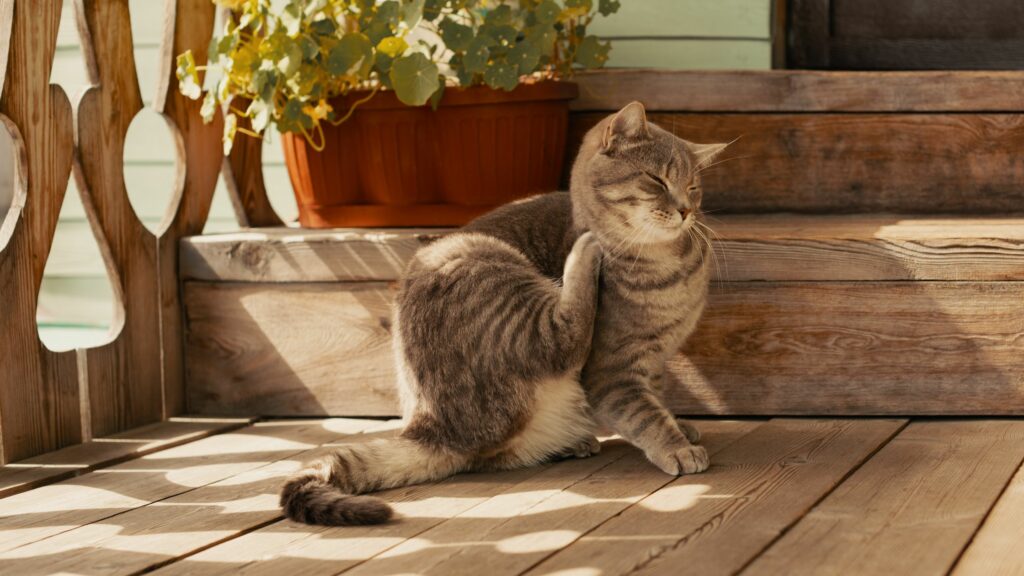
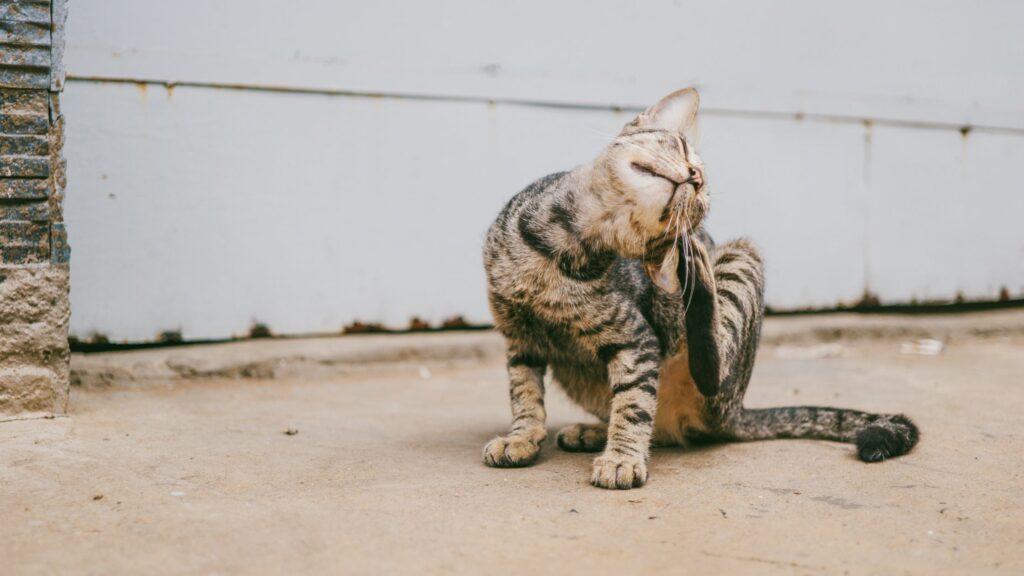
- Excessive licking or chewing
These can sometimes point to digestive issues, irritation or parasites.
A little grass is usually normal
For most pets, occasional grass eating is just another weird little habit that comes with warmer weather and more time outdoors.
Keeping gardens safe, staying up to date with parasite treatments and keeping an eye on any sudden behaviour changes will help make sure your pet enjoys spring safely.