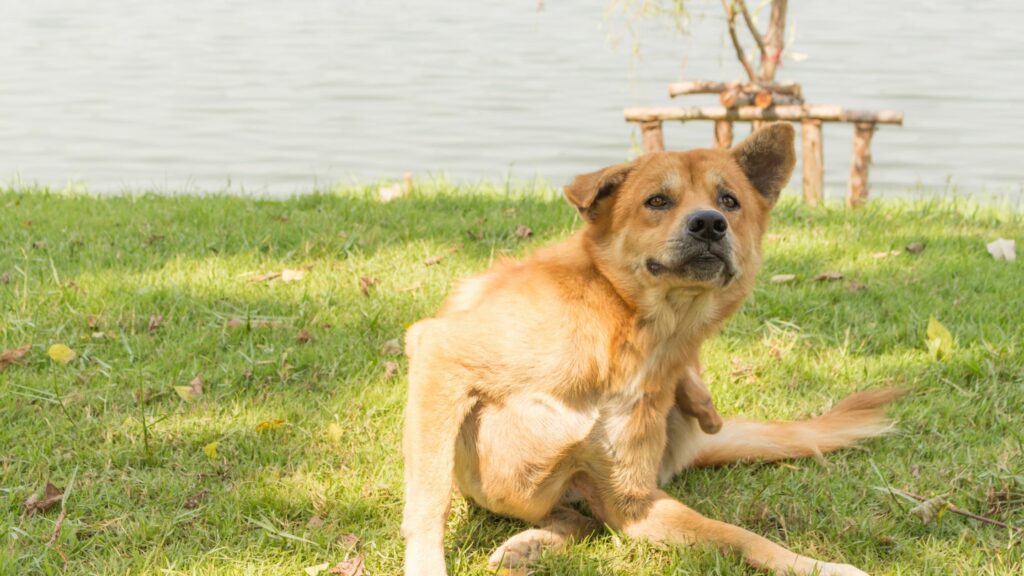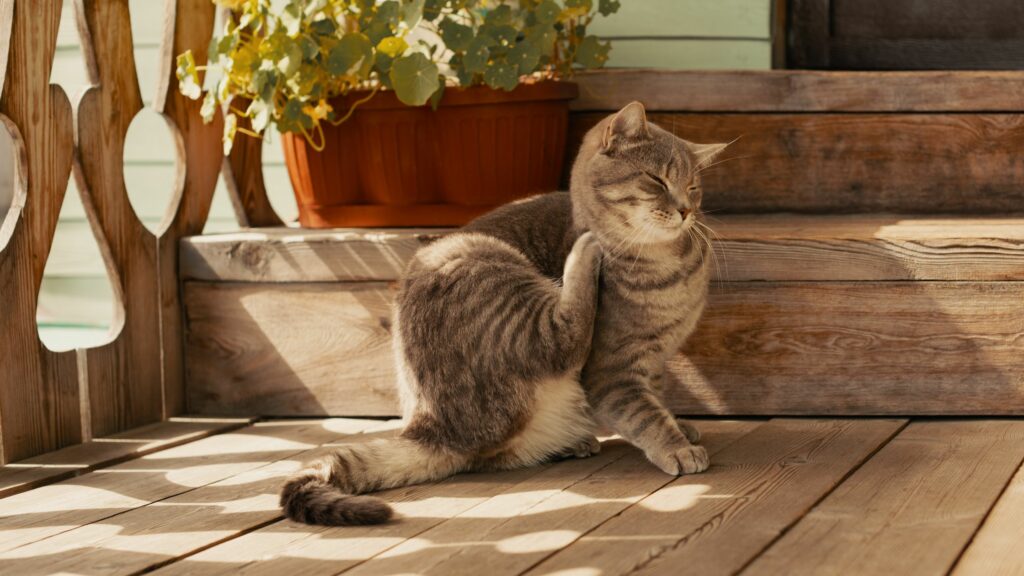
When the temperature spikes, pets feel it just as much as we do. The difference is they can’t tell us when they’re struggling, and they can’t always remove themselves from a situation that’s becoming dangerous. That makes it our job to stay one step ahead.
Here’s what to know when the heat hits.
Keep the house cool, and water topped up
Good ventilation makes a big difference. Open windows on the shaded side of the house and draw curtains or blinds in rooms that catch direct sun. A fan positioned near where your pet usually lies is helpful, as long as they can move away from it if they want to.
Fresh, cool water should be available at all times. Put out multiple bowls, check them regularly and add ice cubes to help keep the temperature down. Cats in particular will often refuse to drink from a spot they’re not comfortable with, so placement matters more than you might think.
Give them ways to cool down
For dogs, a paddling pool in a shaded corner of the garden can work really well. Not every dog will use one, but many will wade in once they realise how good it feels. A damp towel to lie on is a simple alternative. Just avoid placing a wet towel over your dog, as it can trap heat rather than release it.
Frozen treats are easy to make and genuinely effective. A Kong stuffed with wet food or peanut butter and left in the freezer overnight gives them something to work at, which also brings their temperature down. Frozen fruit works well for dogs, too, just avoid grapes and raisins, which are toxic.
Rethink walks when it’s hot
Hot pavements can cause serious burns to paw pads, even on days that don’t feel extreme to us. The test is straightforward: press the back of your hand flat on the pavement. If you can’t hold it there for five seconds, it’s too hot for your dog to walk on.
Most vets recommend limiting or avoiding walks when temperatures reach 20°C and above, particularly for flat-faced breeds, older dogs, puppies and those who are overweight. If you do go out, aim for early morning or evening when both the air and the ground have had time to cool. Avoid the peak hours between around 11am and 3pm.
Cats will mostly manage this themselves, but if yours goes outdoors, make sure there’s shade available and a way back inside during the hottest part of the day.
Know the signs of heatstroke
Heatstroke can develop quickly and is a veterinary emergency. In dogs, watch for heavy or laboured panting, excessive drooling, lethargy, vomiting, uncoordinated movement or collapse. Gums that look very red or darker than usual are also a warning sign.
If you think your dog is overheating, move them somewhere cool and shaded straightaway. Wet their coat with cool tap water. Not cold water and not ice, as this can cause blood vessels to constrict and actually slow the cooling process. Let them drink a small amount of water if they want it, then get to a vet as quickly as you can. Call ahead so they’re ready for you.
Cats can suffer heatstroke, too, though it’s less common. Open-mouthed breathing, drooling and lethargy are unusual signs in cats and should be taken seriously.
When to call your vet
Do not wait to see if things improve if your pet shows any of the following:
- Collapse or inability to stand
- Uncoordinated or wobbly movement
- Vomiting or diarrhoea alongside the heat
- Gums that look pale, very red or bluish
- Seizures
Heatstroke can be fatal if not treated quickly. When in doubt, call your vet.