
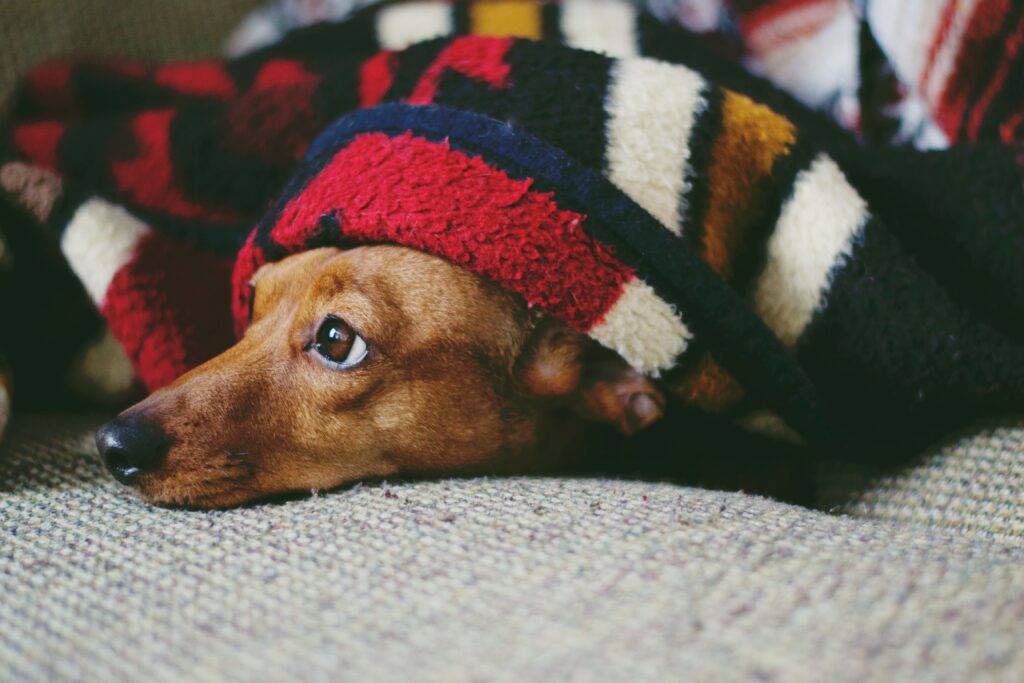
November often feels like the calm before the Christmas madness, shorter days, colder walks and that slow ramp-up to the busiest time of year. For your pets, it can mean big shifts in routine, comfort and health. Now’s a good time to get ahead!
Stick to what they know
Even with darker mornings and the clocks changing, pets love a routine. Keep walking, feeding and play times as consistent as possible, even if it means getting the torch out for evening strolls. Routine helps them feel secure and settled.
Keep them moving
It’s tempting to hibernate when it’s gloomy, but pets still need regular movement and mental stimulation. Try indoor enrichment like puzzle feeders, scent games or short bursts of training. For cats, rotate their toys to keep things interesting and, if they’re spending more time inside, add some vertical spaces like shelves, window hammocks or cat trees so they can climb, perch and explore safely indoors.
Ease into the social season
If your pet isn’t a fan of noisy guests, decorations or disruption, now’s a good time to gently start introducing the sights and sounds of what’s to come. A quiet corner or covered crate gives them a calm space to retreat if things get busy.
Watch for sniffles
Cold weather can bring an uptick in sneezes, dry skin and general grouchiness. While a little grumbling is normal, anything more persistent could be worth a vet check.
Keep Christmas Treats Pet-Safe
As seasonal snacks start appearing in the kitchen, it’s a good time to remember which ones are off limits for pets. Some classic Christmas foods can be harmful, even in small amounts. Keep these out of reach:
Foods to avoid:
- Chocolate – especially dark chocolate, which contains theobromine and is toxic to cats and dogs
- Onions, garlic, leeks, shallots and chives – often hidden in gravy, stuffing and leftovers, these can damage red blood cells
- Alcohol – even tiny amounts can be dangerous
- Grapes, raisins, sultanas and currants – including mince pies and Christmas pudding, which can lead to kidney failure
- Cooked bones – they can splinter and cause choking or serious internal injuries
- Rich or fatty food – like roast trimmings, skin, pigs in blankets or cheese boards, which can upset stomachs or trigger pancreatitis
Stick to their usual meals and treats, or choose pet-safe Christmas goodies made specially for them. That way they still feel included without the risk.Don’t skip the flea and tick treatment
Fleas and ticks don’t disappear in winter. They just move indoors, where central heating makes life cosy for them too. Sticking to your pet’s monthly treatment is still one of the simplest ways to stop an infestation before it starts
